What a certified water operator does and why your utility needs one
Safe drinking water and reliable wastewater service do not happen by accident. They are the result of trained professionals who monitor treatment processes, maintain critical equipment, and file precise reports every single day. For public boards and utility leaders, understanding the Operator in Responsible Charge role is essential to protecting public health and staying compliant.
This article explains what certified and licensed operators do, how the ORC designation works, what duties and liabilities come with the role, and why many communities select a contract operator of record. It also includes a short readiness checklist for boards preparing to transition.
The ORC, defined in plain terms
An Operator in Responsible Charge, often called the ORC or operator of record, is the certified professional legally designated to run a public water system or wastewater system. States require an ORC to hold a license that matches the classification of the facility. The ORC ensures daily operations meet permit limits, safety standards, and state and federal regulations.
In short, the ORC is the accountable person for process control, documentation, and compliance. When a regulator calls, they expect the ORC to know the system and the numbers.
Certified and licensed operators, what the terms mean
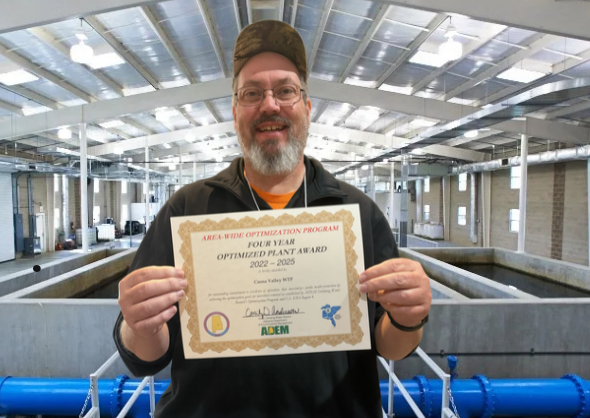
A certified water operator or licensed water operator is a professional who has met state requirements for education, experience, and examination, then maintains their credential through continuing education. States classify licenses by system size and complexity. Higher classifications demand more experience and technical proficiency.
Licensing covers distinct disciplines. Drinking water treatment and distribution are separate from wastewater treatment and collection. Many communities need operators who hold multiple licenses to cover the full utility.
Daily duties that protect your community
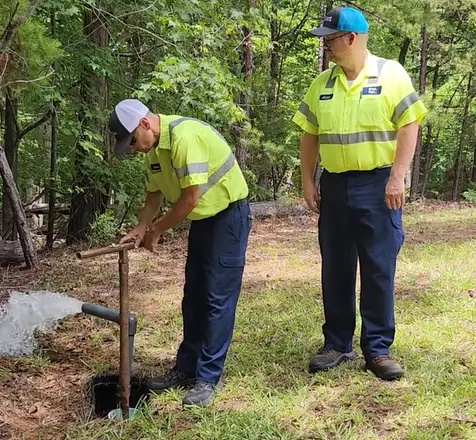
Water and wastewater operators manage process control, equipment, and data. Typical responsibilities include:
- Adjusting treatment processes based on flows, lab results, and source conditions
- Performing rounds, inspections, and preventative maintenance on pumps, blowers, filters, and disinfection systems
- Sampling and laboratory testing to verify water quality and permit compliance
- Calibrating instruments and verifying alarms and setpoints
- Documenting operations, preparing regulatory reports, and maintaining chain-of-custody records
- Coordinating repairs and vendor services to restore capacity quickly
Operators also prepare for abnormal conditions. Storms, droughts, industrial discharges, and power outages all require rapid response and steady judgment.
Liability and responsibility, who answers for what
The utility’s governing body is ultimately responsible for public water maintenance and compliance. The ORC is responsible for day-to-day technical control and proper reporting. If violations occur, regulators may hold both the utility and the ORC accountable. That is why clear delegation, written standard operating procedures, and documented communication are essential.
Good practice sets the ORC’s authority in writing, defines backup coverage, and establishes 24/7 contact protocols. It also budgets for training, spare parts, and capital improvements that reduce compliance risk.
Why many boards choose a contract ORC
Smaller systems and growing communities often struggle to recruit and retain the full range of certifications required year-round. A contract ORC can provide consistent coverage, depth on the bench, and access to specialized skills without the overhead of building a large in-house team.
ClearWater Solutions delivers operator of record support with a shared-resources model, around-the-clock response, and compliance reporting. The team integrates predictive monitoring and SCADA to spot issues early and standardizes documentation to simplify audits. For boards, this model can stabilize operations and strengthen resilience while keeping service accountable.
If you are evaluating partners, review the scope of services. For example, ClearWater provides complete water services across drinking water and wastewater systems, including water treatment operations and wastewater treatment services; regulatory reporting services and standard operating procedures development; and smart water management with control room monitoring and remote SCADA monitoring. These capabilities help align people, process, and technology under one accountable program.
Transition checklist for boards moving to a contract ORC
Use this short list to prepare for a smooth handoff:
- Confirm current permits, monitoring schedules, sampling locations, and reporting deadlines.
- Inventory assets, critical spares, and open work orders; note warranty status and OEM requirements.
- Provide recent lab data, calibration logs, and incident reports for the last 12 months.
- Document after-hours callout procedures and site access details for all facilities.
- Define authority for process changes, purchase limits, and emergency spending.
- Establish primary and backup contacts between the utility, the ORC, and local emergency managers.
These steps give your operator a complete picture on day one and reduce avoidable risk.
How ClearWater Solutions supports the ORC role
ClearWater Solutions pairs licensed water operator coverage with technology, procedures, and reporting discipline. The program focuses on safe, superior operations that meet permit limits and protect the community.
- Compliance and reporting discipline. Routine sampling, data validation, and submissions are coordinated through experienced staff as part of environmental compliance services.
- Technology-enabled visibility. SCADA water platforms provide control room monitoring, predictive maintenance for utilities, and situational awareness across treatment and distribution.
- Integrated services. Teams coordinate water system operations and water utility management with water treatment operators and wastewater plant operator resources so coverage is continuous, including 24/7 emergency response.
For leaders planning capital, ClearWater also supports water asset management through capital-focused programs to prioritize replacements and extend asset life.
Short FAQ
- What is a certified water operator? A trained, tested, and state-credentialed professional authorized to operate public drinking water or wastewater systems.
- What is a licensed water operator? Same concept, different wording. The license documents the certification level required for your facility class.
- What does a water and wastewater operator do? Monitors and adjusts treatment processes, maintains equipment, collects and analyzes samples, and documents and reports compliance data.
- Who is responsible for water maintenance? The utility and its governing body hold ultimate responsibility; the designated ORC manages day-to-day technical operations and reporting.
Getting started
An ORC is not a box to check. It is the role that keeps water safe, systems reliable, and your utility in good standing. If you are assessing options, request a concise scope, response plan, and references. To see how shared expertise and 24/7 coverage work in practice, explore ClearWater Solutions offerings for water utility management, environmental compliance services, and SCADA-enabled control room monitoring.