Every time you turn on a faucet, flush a toilet, or rinse your hands, something remarkable begins. It’s an unseen journey that protects our environment, our communities, and our water. At facilities like the Riverchase and Inverness wastewater treatment plants, which are operated by ClearWater Solutions for the City of Hoover, that journey is carefully managed every single day. While most people rarely think about it, this process is one of the most important environmental protections in place
Here’s a simple look at how wastewater treatment works what really happens after the flush.
Step 1: The Journey Begins
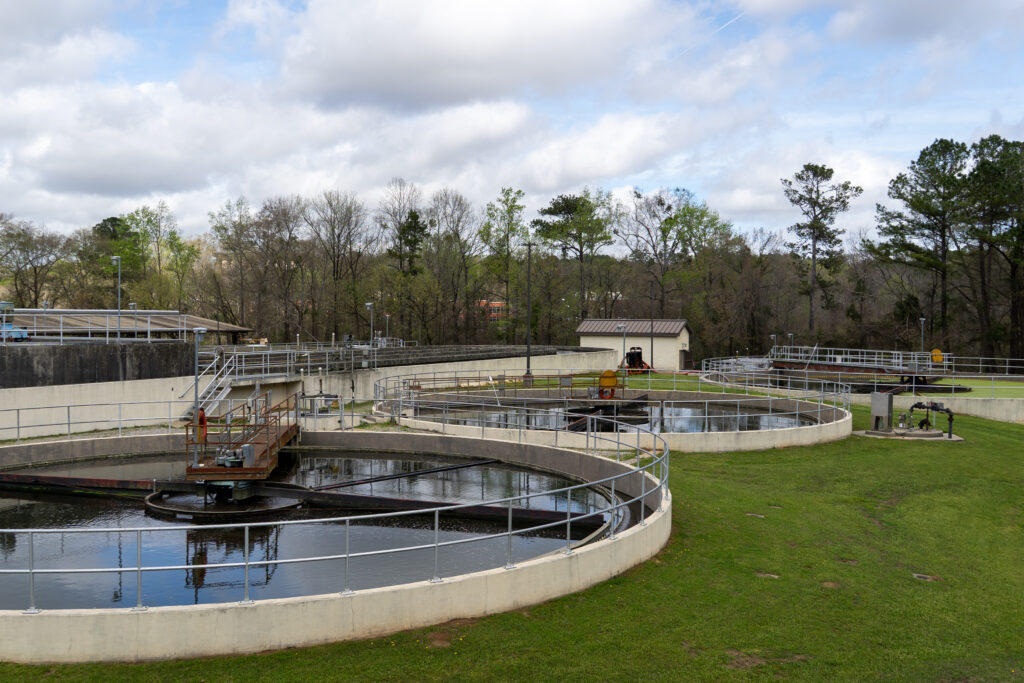
Wastewater starts its path in homes and businesses, flowing through underground pipes into a network of collection systems and pump stations. At our City of Hoover facilities, the scale of this infrastructure is impressive: the Riverchase plant is a 3.0 million-gallon-per-day (MGD) facility, while the Inverness plant handles approximately 1.2 million gallons per day. Interestingly, although the Inverness plant has a lower processing capacity, its physical footprint is nearly 10 times that of Riverchase.
By the time the wastewater reaches the treatment plant, it may not look like much, but surprisingly, wastewater is 99.9% water.
The goal of wastewater treatment plants? Remove the remaining fraction of a percent as efficiently and responsibly as possible to return clean water to the Earth’s water cycle. The entire wastewater treatment cycle is primarily biological, and the only chemical used is Alum, which is generally used to assist with natural settling and phosphorus removal.
Step 2: Screening & First Impressions
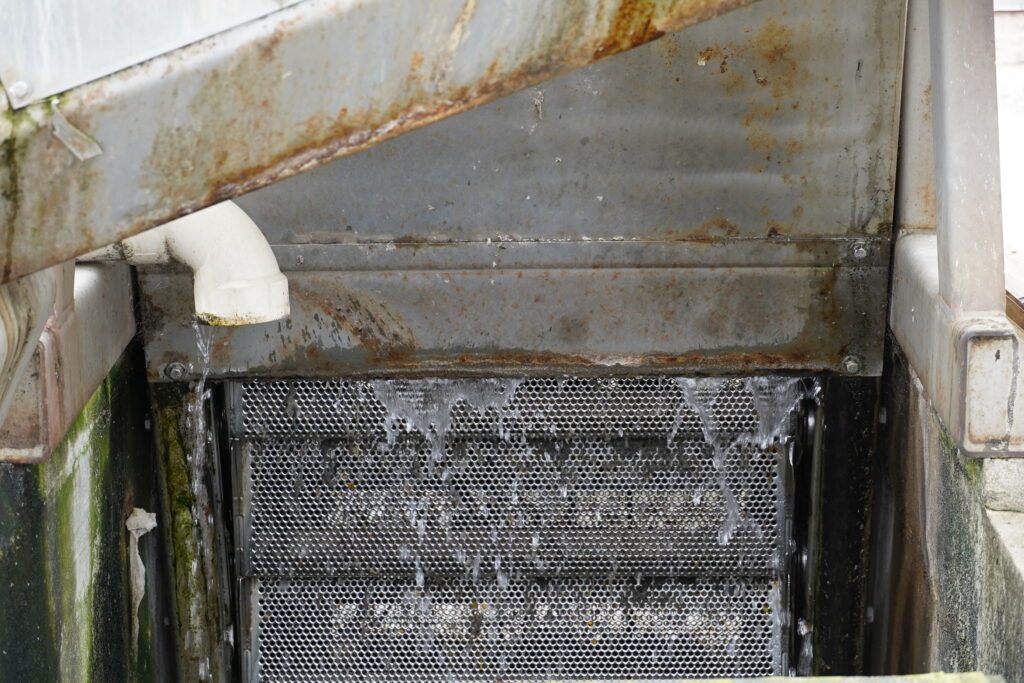
As wastewater enters the plant, it passes through screens that remove large debris. Only 1/10 of the 1% is actual waste, but this waste and large debris must be removed so the wastewater can flow easily through the next stages.
This is the first visible transformation and the beginning of a highly controlled process designed to protect downstream systems and improve treatment efficiency.
Sidebar here: Remember when your son dropped his toy car into the toilet and flushed it away? This is where it is found again! As well as diapers, wipes (yes, even if they are marked flushable), and anything else other than toilet paper!
Step 3: Nature Takes Over (Biological Treatment)
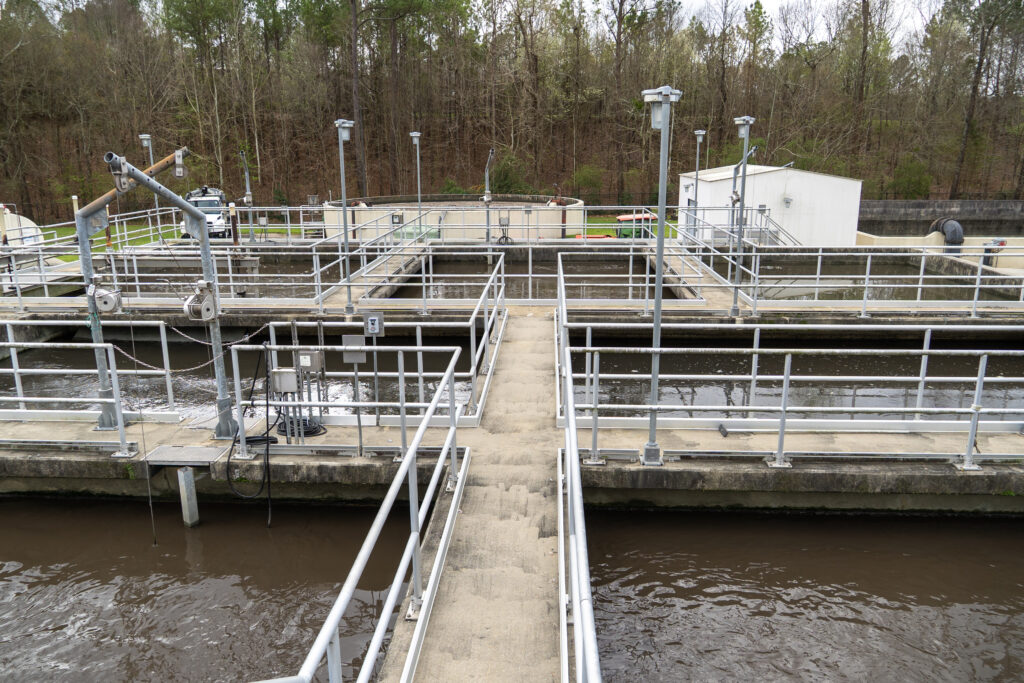
Inside large basins, the raw influent is mixed with “beneficial bacteria” that naturally consume the waste. This is an entirely biological process where we manage the environment to help these microscopic organisms thrive.
The process cycles through specialized zones to target different types of waste:
- Anaerobic & Anoxic Zones: In these zones, the dissolved oxygen is lowered to the bare minimum. In this low-oxygen environment, the bacteria are forced to consume a high volume of phosphorus.
- Aeration Zones: Using large motors, called aerators, the oxygen levels are increased. Once the bacteria receive this oxygen, they begin consuming the Biochemical Oxygen Demand (BOD), or the organic waste.
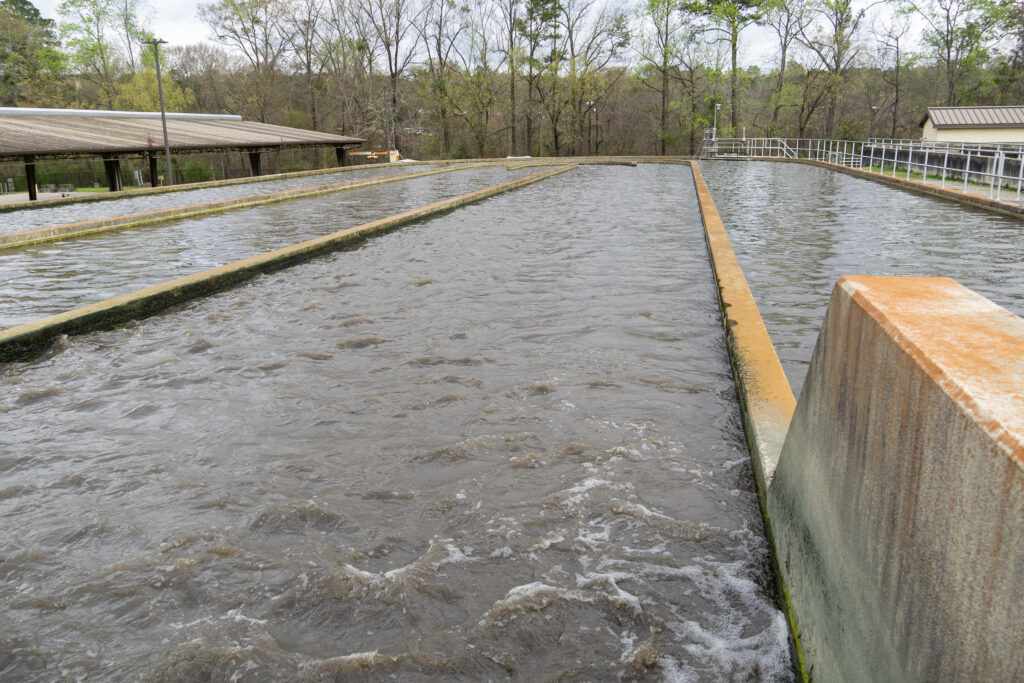
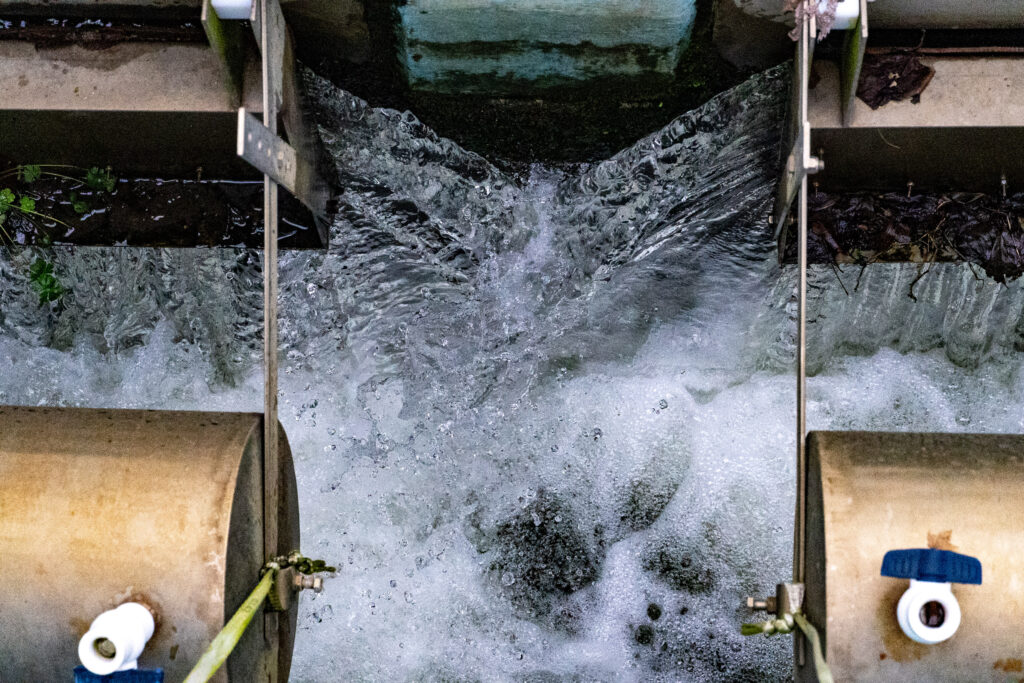
The mixture follows a “racetrack” flow pattern, circling the basin until the waste is fully consumed and the water is ready to move over a weir plate and into the next processing step. It’s a living system that is constantly monitored to maintain the perfect balance.
Step 4: Clarification (Separating Clean from Cloudy)
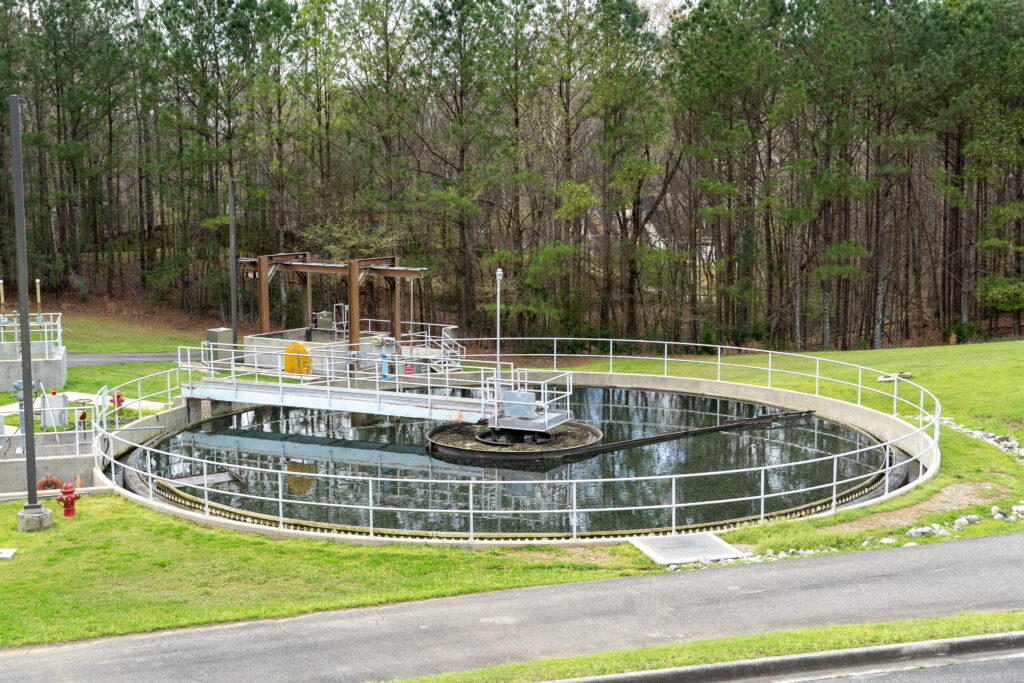
Once the bacteria have done their job, the mixture flows into clarifiers. You may have seen these large pools while driving past a wastewater treatment plant.
Here, the water slows down, allowing solids to settle to the bottom while cleaner water rises to the top.
- Heavier biological solids are recycled back to continue treatment
- Excess solids are removed for further processing
It’s an efficient, circular system designed to maximize performance and minimize waste.
Step 5: Advanced Filtration & Disinfection
Before the water is released, it undergoes final “polishing” steps to ensure it meets important environmental standards:
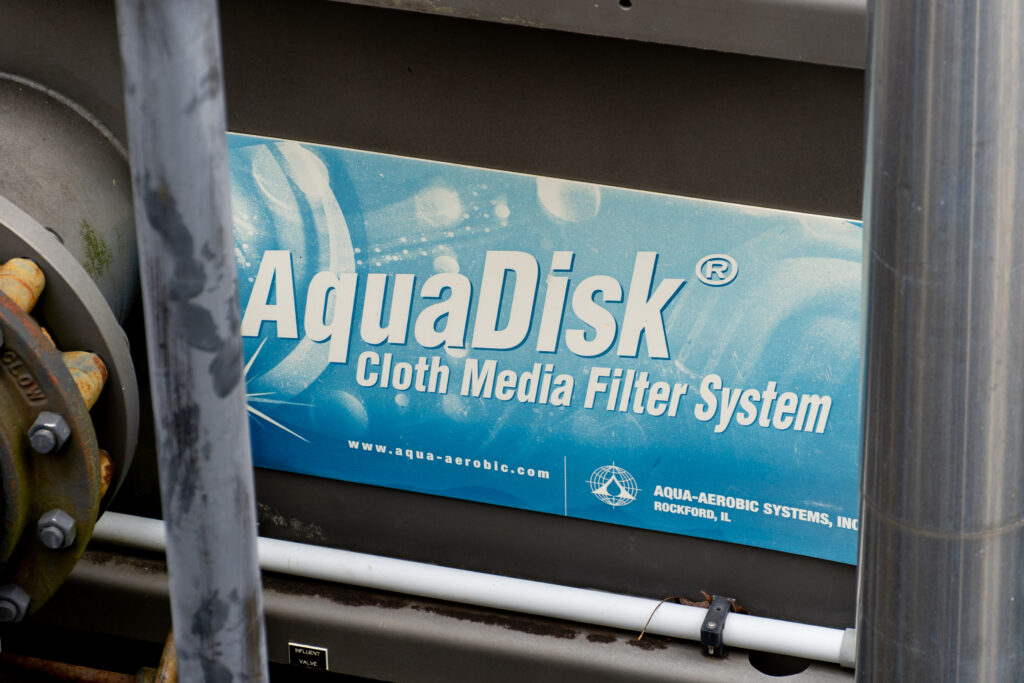
- Cloth media filters remove any remaining fine particles
- Ultraviolet (UV) light sterilizes bacteria like E. coli without the use of harsh disinfection chemicals
What entered the plant as gray, cloudy water now exits as clear, high-quality effluent, safe for release back into local waterways such as the Cahaba River.
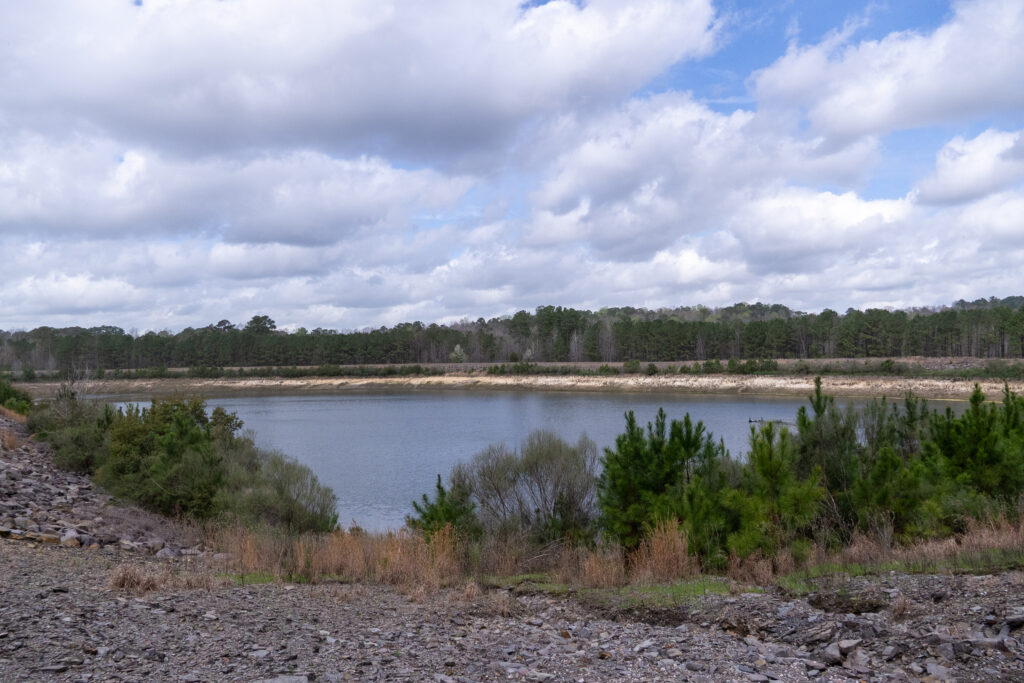
The Difference at Inverness: Unlike Riverchase, the Inverness Wastewater Treatment Plant utilizes a massive holding pond for 11 months of the year. This pond is a safe haven for local wildlife, frequently hosting over 100 ducks and numerous deer. We only discharge to the Cahaba River for about 20–25 days a year when river levels are high enough to safely receive the flow.
Step 6: Responsible Solids Management
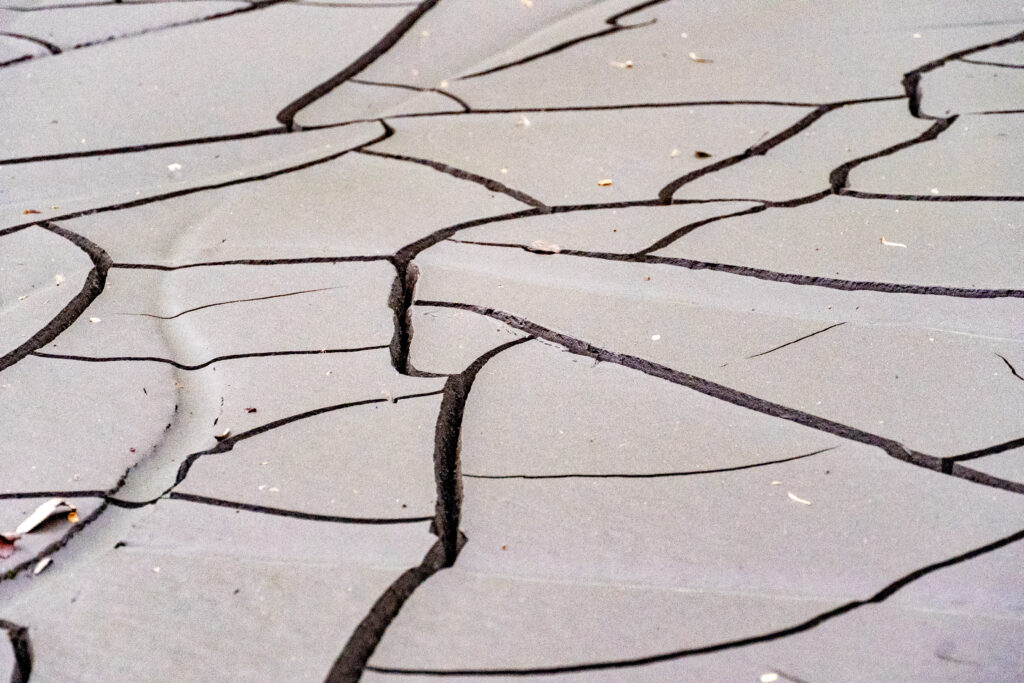
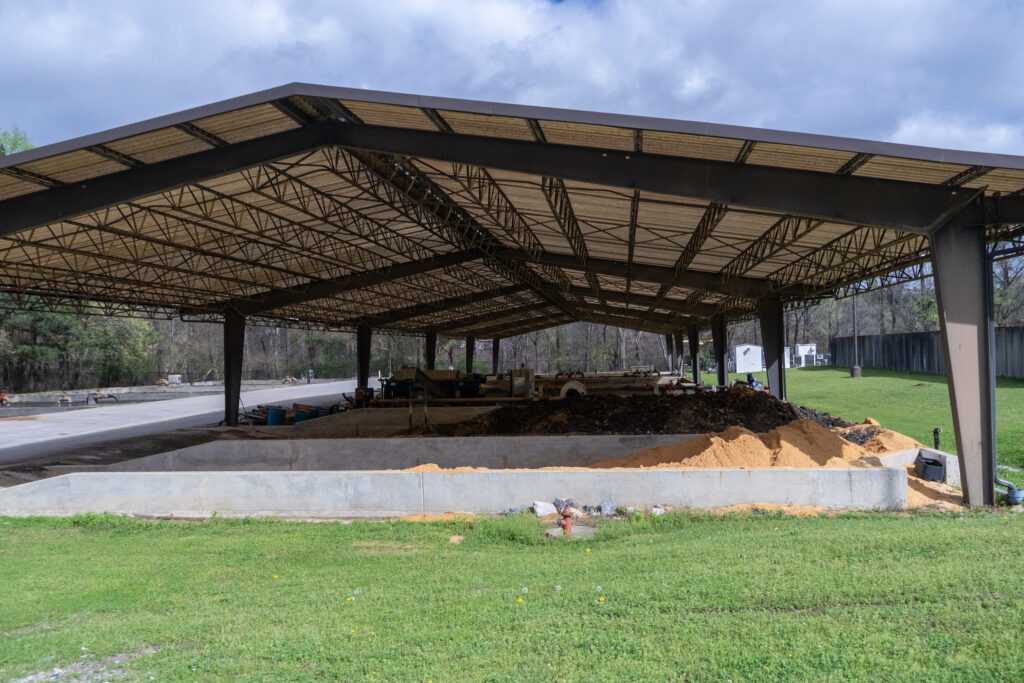
What about all the waste left behind? Excess biological solids (biosolids) are carefully treated and stabilized in digesters. They are then dried through beds or centrifuge systems. Once this process is complete, they are repurposed in land applications (as they are high in nitrates) or safely disposed of.
Step 7: Continuous Testing & Environmental Protection
Throughout the entire process, water quality is constantly tested and regulated under strict oversight from the State’s Department of Environmental Management (ADEM).
Wastewater Treatment Plants Regularly Monitor:
- Nutrients like phosphorus and nitrogen
- Oxygen levels and pH
- Bacteria levels (like E. coli)
- Suspended solids and organic content
The result is a system that not only meets but consistently works to exceed environmental standards.
More Than Wastewater Treatment; It’s Stewardship
Wastewater treatment is not just about cleaning water. It’s about protecting rivers, supporting wildlife, and preserving resources for future generations.
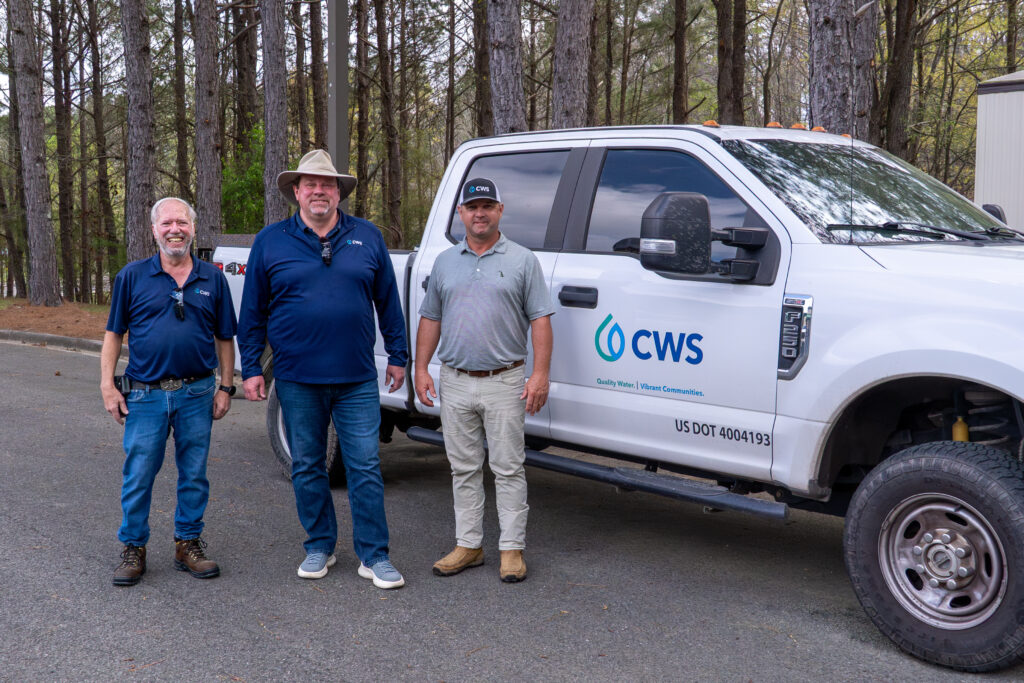
At ClearWater Solutions, this work is driven by more than compliance. It’s driven by commitment. With experienced operators, advanced systems, and strong partnerships with municipalities like Hoover, ClearWater ensures that what goes unseen still makes a visible impact.